Metal Roofing Installation: Complete Guide for Homeowners
Learn how metal roofing installation works, key benefits, materials, and what to consider before planning your roofing project.
Understanding metal roofing installation is an essential first step for homeowners exploring durable, long-term roofing solutions. At the attraction stage of the customer journey, the goal is to gather reliable information about materials, processes, benefits, and considerations before making any decisions.
This guide explains how metal roofing installation works, what to expect during the process, and the key factors that influence performance, longevity, and overall value. Whether you are planning a new construction project or evaluating a roof upgrade, having a clear overview helps you approach the process with confidence.
Table of Contents
What Metal Roofing Installation Involves
Metal roofing installation refers to the professional process of planning, preparing, and installing metal panels or shingles over a residential or commercial structure. Unlike traditional roofing materials, metal systems require precise measurements, specialized fastening techniques, and proper underlayment coordination to ensure long-term performance.

A complete installation is not limited to placing panels on a roof surface. It includes structural assessment, moisture protection layers, flashing integration, ventilation alignment, and secure attachment methods that support durability under varying weather conditions.
Why Metal Roofing Is Gaining Popularity
Metal roofing systems have become increasingly popular due to their durability, aesthetic flexibility, and long-term performance potential. Property owners are often drawn to metal roofing installation because it supports structural resilience and modern architectural design.
Additionally, metal roofs are available in multiple styles, finishes, and profiles, allowing them to complement both contemporary and traditional homes. This versatility makes them a practical option for homeowners seeking a balance between function and visual appeal.
Types of Metal Roofing Systems
Understanding the different types of metal roofing systems helps clarify what to expect during installation. Each system has unique structural and aesthetic characteristics.
Standing Seam Metal Roofs
Standing seam systems feature vertical panels with concealed fasteners, offering a clean appearance and enhanced weather resistance.
Metal Shingles
Metal shingles replicate the look of traditional roofing materials while providing the durability of metal construction.
Corrugated Metal Panels
Corrugated panels are commonly used for both residential and light commercial applications due to their structural strength and efficient water shedding capabilities.
Aluminum, Steel, and Other Materials
Material selection influences weight, corrosion resistance, and long-term performance. Professional guidance helps determine which option aligns with local environmental conditions.
Key Components of a Metal Roofing Installation
A successful metal roofing installation depends on several interconnected components working together as a complete roofing system.
Important elements include:
Roof decking preparation
Moisture barriers and underlayment
Fastening systems and clips
Flashing and edge protection
Ventilation components
Each component plays a role in protecting the structure from moisture intrusion, temperature fluctuations, and external environmental stressors.
The Installation Process Explained
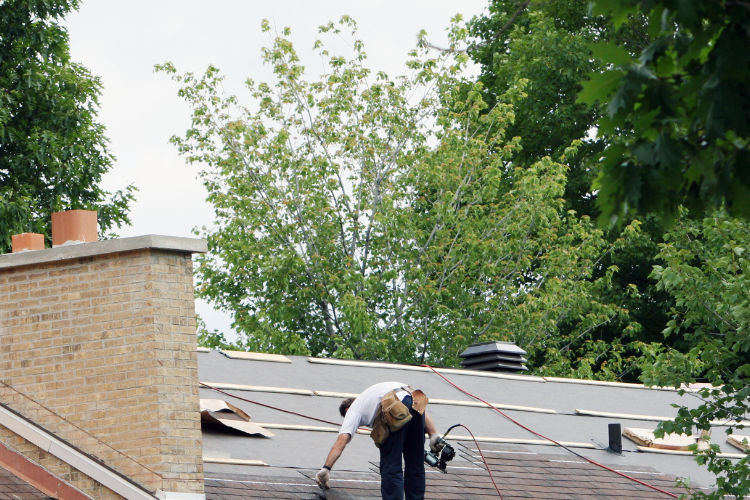
Metal roofing installation typically begins with a detailed inspection of the existing roof structure. This evaluation helps identify any structural concerns, ventilation needs, or surface preparation requirements.
After preparation, professionals install underlayment to create a protective moisture barrier. Metal panels or shingles are then carefully aligned and secured according to manufacturer specifications and building standards. Flashing is integrated around roof penetrations, valleys, and edges to support water management and system integrity.
Precision during installation is critical. Proper alignment, fastening, and sealing techniques directly influence long-term performance and reliability.
Structural and Design Considerations
Before proceeding with metal roofing installation, structural compatibility must be evaluated. Roof slope, framing condition, and load distribution all influence system suitability.
Design considerations also include architectural style, drainage patterns, and compatibility with existing structural elements. A well-planned installation ensures the roofing system integrates seamlessly with the overall building envelope.
Climate and Local Factors
Local climate conditions play a major role in how a metal roofing system performs over time. In regions with high humidity, strong sun exposure, or seasonal storms, proper installation techniques become even more important.
Metal roofing installation that accounts for local weather patterns, ventilation needs, and moisture control strategies supports long-term durability. Local code requirements and environmental conditions should always be considered during planning.
Energy Efficiency and Performance Benefits
One of the most recognized advantages of metal roofing installation is its potential contribution to energy efficiency. Reflective coatings and material properties can help regulate indoor temperatures by reducing excessive heat absorption.
Improved thermal performance may support overall energy management, especially when combined with proper insulation and ventilation. While results vary based on building design and climate, metal roofing systems are often associated with consistent performance under diverse environmental conditions.
Maintenance and Long-Term Durability
Metal roofing systems are widely known for their durability when installed correctly. Routine inspections and basic maintenance help preserve system integrity over time.
Maintenance considerations may include checking fasteners, inspecting flashing, and ensuring drainage pathways remain clear. Compared to many traditional roofing materials, metal roofs are designed to withstand environmental exposure with minimal ongoing intervention when properly maintained.
Common Misconceptions About Metal Roofs
There are several misconceptions surrounding metal roofing installation. One common myth is that metal roofs are excessively noisy during rain. In reality, proper underlayment and insulation significantly reduce sound transmission.
Another misconception is that metal roofs attract lightning. Metal roofing does not increase the likelihood of lightning strikes and is considered a non-combustible material that can contribute to overall structural safety.
Some homeowners also assume metal roofing only suits industrial buildings. Modern design options allow metal roofing systems to blend seamlessly with residential architecture.
How to Evaluate Professional Installers
Choosing experienced professionals is a key factor in achieving a successful metal roofing installation. Qualified installers understand local building standards, material specifications, and system integration requirements.
When evaluating providers, property owners often consider:
Experience with metal roofing systems
Knowledge of local codes and regulations
Clear communication and project transparency
Proper licensing and professional standards
Working with knowledgeable professionals supports accuracy, compliance, and long-term roofing performance.
The Role of Planning in a Successful Roofing Project
Strategic planning is essential before starting any metal roofing installation. Early planning helps align design preferences, structural requirements, and regulatory considerations.
A well-planned approach reduces the likelihood of revisions and supports a smoother overall process. It also allows homeowners to evaluate different material profiles, finishes, and system configurations based on their property’s specific needs.
Long-Term Value of Metal Roofing Installation
Beyond immediate functionality, metal roofing installation can support long-term property value and structural resilience. Durable roofing systems contribute to consistent protection, aesthetic longevity, and reduced material degradation over time.
From a property perspective, investing in a high-quality roofing system aligns with long-term maintenance planning and building performance goals. Metal roofing is often selected for its balance of durability, efficiency, and architectural flexibility.
Final Considerations Before Starting Your Project
Exploring metal roofing installation at the attraction stage provides a strong foundation for future decision-making. Understanding system types, installation requirements, and performance factors allows homeowners to evaluate options with greater clarity and confidence.
As projects move forward, professional guidance becomes increasingly valuable to ensure the roofing system aligns with structural conditions, local regulations, and long-term performance expectations.
Built With Love supports homeowners and property owners by providing guidance on metal roofing installation, system planning, and construction alignment with residential building standards and local requirements. Their approach focuses on clarity, compliance, and well-coordinated project execution.
If you are researching metal roofing installation and considering next steps for your property, requesting a free estimate can help you better understand system options, planning considerations, and professional recommendations tailored to your project goals.


Comments